
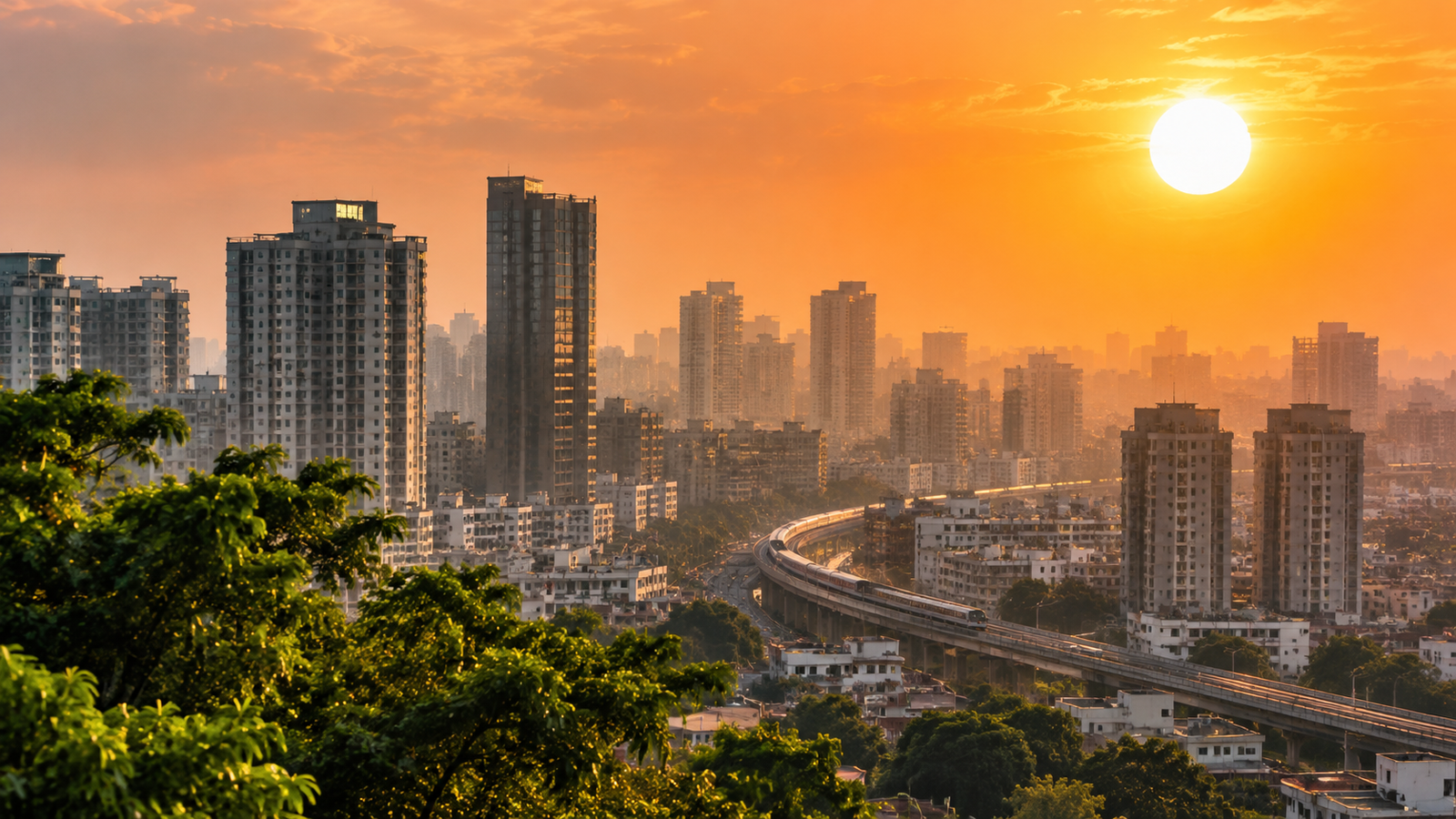
As temperatures continue to rise across many parts of the world, cities are facing growing challenges in protecting residents from extreme heat. Dense urban development, limited green spaces, and heat-absorbing infrastructure can make city centers significantly warmer than surrounding areas.
Climate researchers have increasingly highlighted the risks associated with prolonged heat exposure, particularly for elderly people, outdoor workers, children, and communities with limited access to cooling facilities.
The Urban Heat Island Effect
Concrete buildings, asphalt roads, and reduced vegetation contribute to what scientists call the urban heat island effect. These surfaces absorb and retain heat during the day, releasing it slowly after sunset.
The result can be higher nighttime temperatures, leaving residents with fewer opportunities to recover from daytime heat.
Vulnerable Communities at Greater Risk
Extreme heat does not affect everyone equally. People living in poorly ventilated housing or working outdoors may face greater exposure.
Public health experts emphasize the importance of accessible cooling centers, drinking water, shaded public spaces, and early-warning systems during heat events.
What Cities Can Do
Urban planners are exploring several approaches to reducing heat exposure, including:
- Expanding tree cover and green spaces
- Installing reflective roofing materials
- Creating shaded pedestrian areas
- Improving public transportation access
- Developing heat-response plans for vulnerable residents
Experts argue that long-term urban planning will play a major role in determining how cities adapt to a warming climate.
The Road Ahead
As climate risks become more prominent in urban planning, local governments face increasing pressure to invest in resilience measures.
The challenge is not only reducing future emissions but also protecting communities from climate impacts that are already affecting daily life.
The Climate Files will continue examining the policies, investigations, and environmental changes shaping the future of our cities.
Demo article for website testing. Replace with verified reporting and sources before publication.