
Senior Reporter, Antalya, Türkiye |
11 November 2026
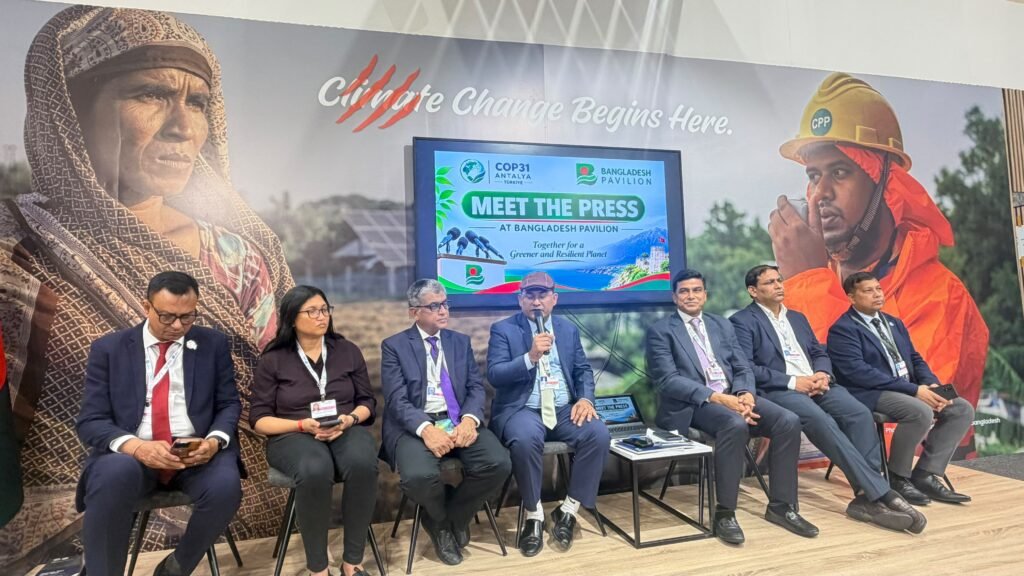
Bangladesh wants to help lead climate-vulnerable nations in securing fair financial support and a just energy transition at COP31, moving beyond highlighting its own exposure to climate disasters, Dr Saimum Parvez has said.
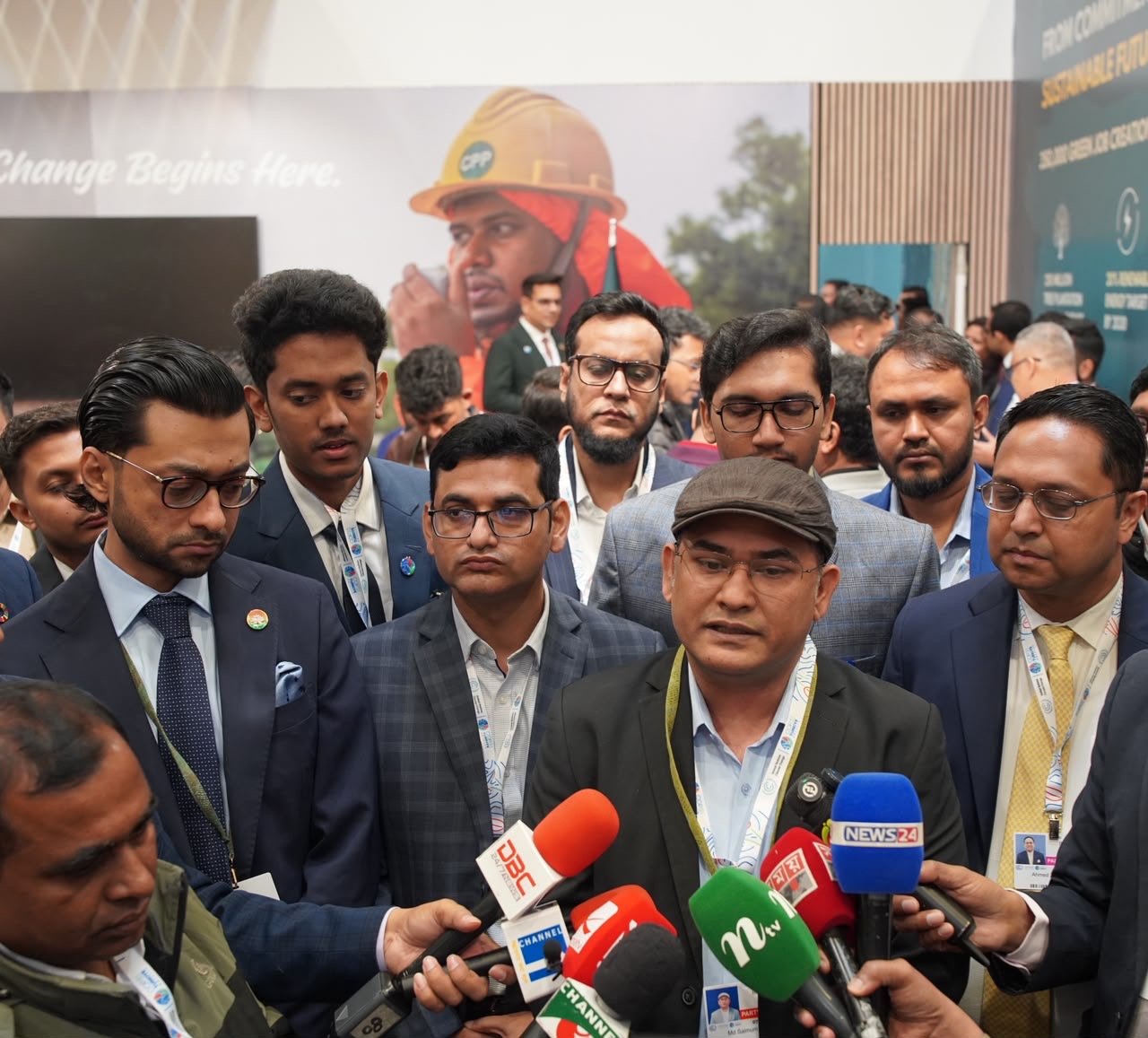
Speaking to journalists at the UN climate conference in Antalya, Parvez said Bangladesh was pressing for increased funding for adaptation, mitigation, and loss and damage.
Parvez, the prime minister’s special assistant on environment, forest and climate change and deputy head of Bangladesh’s COP31 delegation, said the country contributed very little to global carbon emissions but faced extensive damage from climate change.
Climate finance should therefore come as grants rather than loans, he said, arguing that countries with little responsibility for the crisis should not face additional debt to address its consequences.
Bangladesh is advancing shared demands through the Climate Vulnerable Forum, the Least Developed Countries group and regional cooperation with Bhutan and Nepal, he added.
Protecting workers through the energy transition
Parvez identified a just transition as a key negotiating priority, saying the shift from fossil fuels to renewable energy must protect existing workers while creating green jobs.
He described the prime minister’s participation in COP31 as an important expression of Bangladesh’s commitment to environmental protection and climate action.
At home, he said, the government had adopted programmes to plant 250 million trees and excavate or re-excavate 20,000 kilometres of canals over the next five years.
Other priorities include renewable energy, improved waste management, lower methane emissions and the development of environmentally sustainable industries.
Parvez also highlighted Bangladesh’s experience in adapting to climate threats. Cyclone and flood early warning systems, volunteer networks, salt-tolerant crops and floating agriculture had helped strengthen disaster preparedness and resilience, he said.
Those experiences could offer practical lessons for other vulnerable countries.
Expanding markets for jute and biodegradable products
Bangladesh is also seeking wider international markets for jute and biodegradable alternatives to plastic.
Parvez said the delegation had raised proposals to promote these products during a meeting with Türkiye’s first lady. He described the discussions as positive, with prospects for future technical cooperation.
Plans also include a Bangladesh pavilion to showcase and promote the products, he said.
On carbon trading, Parvez said work was progressing on a national policy framework and carbon registry. He expressed hope that these measures would create opportunities for Bangladesh to access additional climate finance through international carbon markets.
Bangladesh wants to establish itself internationally as a resilient and innovative country with economic potential, alongside its identity as a nation severely affected by climate change, he said.
Parvez expressed hope that the delegation’s diplomatic efforts would strengthen Bangladesh’s role in securing grant-based finance, creating green employment and defending the collective interests of climate-vulnerable countries.